REVIEW · ROGALAND
Stavanger: Hiking to world famous Pulpit Rock
Book on GetYourGuide →Operated by Troll Group AS · Bookable on GetYourGuide
One cliff, five hours, and your legs will talk. The Pulpit Rock (Preikestolen) hike-run from Base Camp turns a famous viewpoint into an active, guided trail experience with standout Lysefjord views.
I like that the route is paced so you can truly enjoy the trail—not just rush to the rock—and I also like having a guide who keeps things moving while still waiting for you up the stairs. The one drawback to plan for: it’s steep, rocky, and weather can flip fast, so you’ll want good grip and dry clothes.
In This Review
- Quick Take: Why This Stavanger–Preikestolen Trip Works
- 6 Things You’ll Notice Right Away
- Entering Preikestolen: What This Hike-Run Really Feels Like
- The Stavanger Connection: Getting to Preikestolen Base Camp
- Time on the clock
- Before You Go: What to Pack for Rocky Steps and Sudden Weather
- The First Climb: The Steep, Rocky Warm-Up Your Legs Will Remember
- Middle Section: Where You Settle In and Enjoy the Trail
- The Second Climb: Rugged Footing and the Quiet Work of Staying Balanced
- Summit Time at Pulpit Rock: Your View Break (and Photo Reality Check)
- The Return Down: Faster Legs, Slipperier Decisions
- Value and Price: Is $156 Worth It?
- The Kind of Group Experience You’ll Get
- Who Should Book This Pulpit Rock Hike-Run (and Who Might Skip)
- Should You Book the Stavanger to Pulpit Rock Experience?
- FAQ
- FAQ
- How long is the hike-run to Pulpit Rock?
- Where does the tour start?
- Is the tour guided in English?
- What is included in the price?
- Is dinner included?
- What should I wear and bring?
- Will I get time at the summit?
- How long is the descent back to Base Camp?
- Can I cancel if my plans change?
- Is it possible to reserve first and pay later?
Quick Take: Why This Stavanger–Preikestolen Trip Works
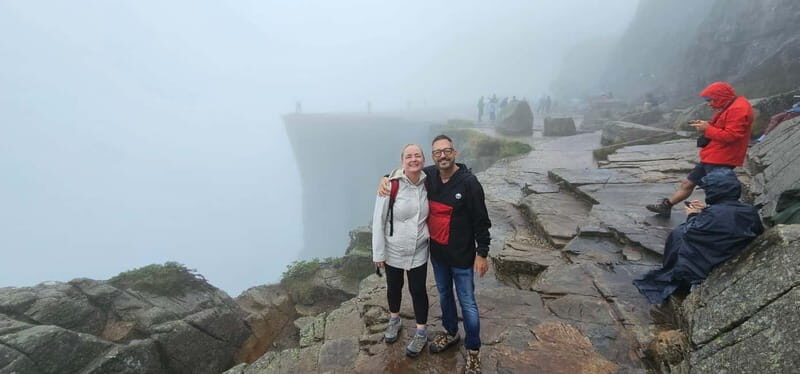
This is one of those Norway outings where the payoff is immediate and the memories come from the walk itself. You’ll start at Preikestolen Base Camp, get English guiding for the hike portion, and finish with a downhill return back to the same starting point.
I also appreciate the human touch: the experience highlights a local first-responder connection, and guides like John and Tore bring both local context and a calm, patient vibe when the trail turns challenging.
6 Things You’ll Notice Right Away
- Less-crowded feel: you spend time on the trail without fighting the biggest tourist crush
- A guide who manages pacing: patient, practical support when the stairs and climbs slow you down
- Weather awareness on the fly: at least one guide adjusted timing to help finish before rain
- Steep start + easier middle: the “climb pays off” rhythm is built into the route
- The cliff-top plateau is the main event: you’ll get time to rest, hydrate, and take photos
- Downhill needs attention: the return is faster, but footing and awareness still matter
You can also read our reviews of more hiking tours in Rogaland
Entering Preikestolen: What This Hike-Run Really Feels Like
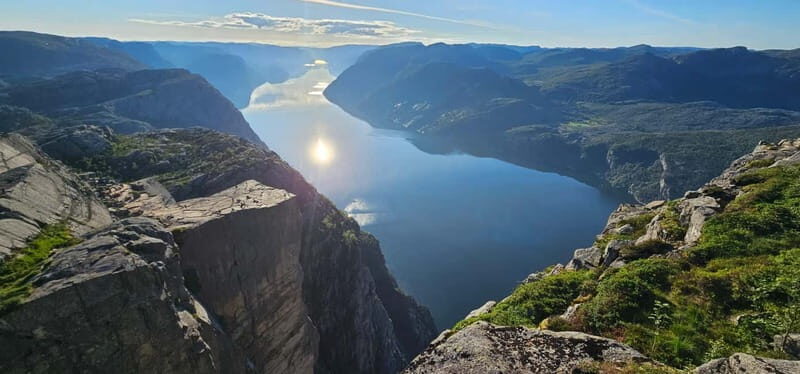
Pulpit Rock, or Preikestolen, is one of those places that sounds simple until you’re actually moving toward it. The viewpoint is famous for a reason, but what makes this experience special is that you’re not just sightseeing. You’re walking—or running at your own safe pace—through Norway’s big rock-and-fjord scenery with a guide watching the tempo.
If you like “do the thing” travel days, this fits. It gives you a clear structure (start, hike/run, summit time, return) while still leaving room to take a breath when your legs demand it. That balance matters on a route that includes steep sections, rocky ground, and lots of stair climbing.
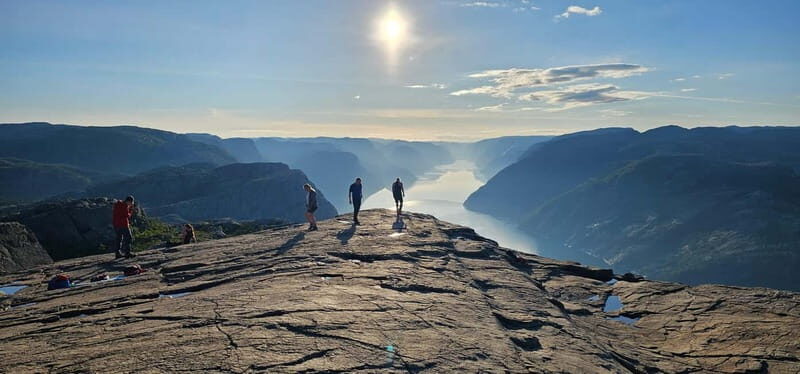
And yes, the goal is the view. You’re aiming for a cliffside rock plateau that drops your gaze toward the Lysefjord. When the trail opens up near the top, it feels like the landscape finally catches up with your effort.
The Stavanger Connection: Getting to Preikestolen Base Camp
Most days, you’ll feel the difference between a trip that’s “transported you here” and one that actually builds your day around the hike. This one does the second part.
You begin at Preikestolen Base Camp, with a welcome map and access to the Hiking cafe area at the start point. From there, you’re set up to move right onto the trail—no long wandering, no guessing what to do first. That matters because the terrain is unforgiving, and the earlier you get your footing sorted, the more enjoyable everything gets.
The experience also includes transport from Stavanger to the base camp area. For many people, that’s a big deal. It removes a chunk of logistical stress and helps you focus on shoes, weather, and pacing.
Time on the clock
The total duration is listed as 5 hours, with 4 hours guided during the hike portion. That’s a useful frame: you’re not trapped in a day that stretches too long, but you still get meaningful time for the summit payoff.
Before You Go: What to Pack for Rocky Steps and Sudden Weather
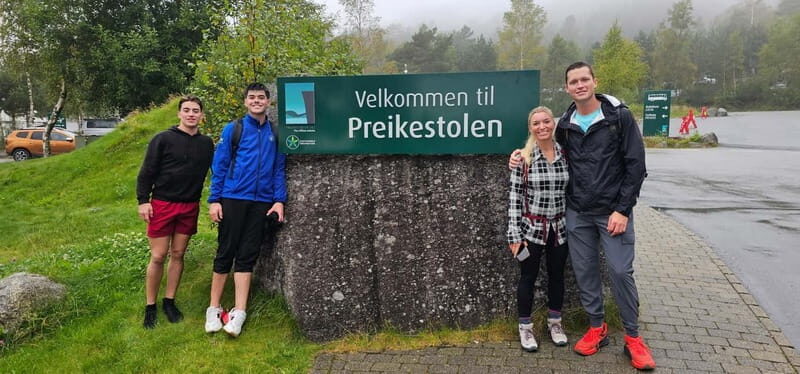
This hike-run isn’t a casual stroll. The trail starts steep and rocky, and your biggest gear needs are traction and warmth.
Here’s what you should bring, based on what the route calls for:
- Trail shoes with solid grip (rocky terrain can punish slick soles)
- Dry clothes to change into (mountain weather can shift quickly)
- A lightweight backpack with water and snacks
- A windproof jacket (especially as you near the summit area)
I also recommend you treat this day like a weather-flexible outing even if the morning looks good. One of the stronger lessons from guides here is timing: John is reported to have moved the tour 30 minutes earlier to help the group finish right before rain. You can’t control the sky, but you can control your readiness.
The First Climb: The Steep, Rocky Warm-Up Your Legs Will Remember
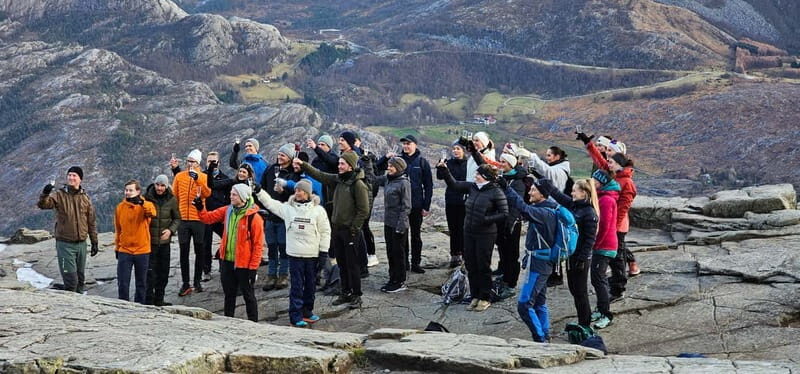
The start is the hard part. The early section is described as steep and rocky, and that’s exactly where you’ll feel it most. The best move is to go slower than you think at first. This isn’t a “race the group” kind of hike-run.
You’ll want to use a steady rhythm:
- Focus on stable foot placement rather than speed
- Expect a slower pace as your breathing climbs with the grade
- Save energy so the middle part feels like it “lets you find your stride”
This is also where the benefit of a guide shows up. You’re not just getting directions—you’re getting real-time coaching on how to manage effort on a demanding start. In the field, that can mean patience when people need extra time on the stairs.
The route is also said to include stone stairs crafted by Sherpas on the well-maintained sections. That’s a nice detail because it hints at why parts of the trail feel organized rather than random: the structure helps you keep moving even when the trail is physically demanding.
Middle Section: Where You Settle In and Enjoy the Trail
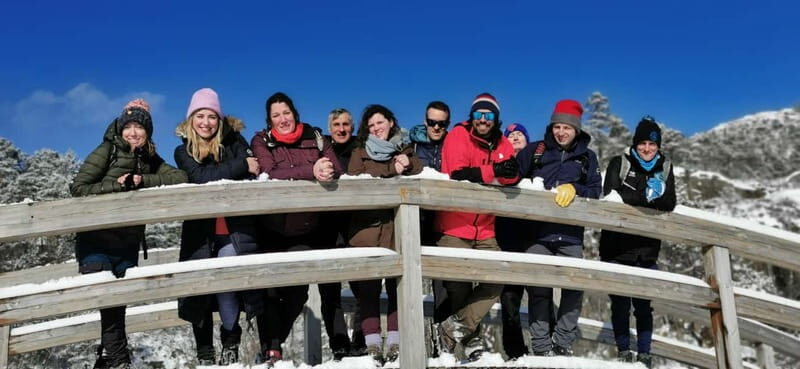
After the first climb, the trail becomes easier. This is the portion where you can shift from “survive the steep part” to “enjoy the hike.”
You’ll likely notice:
- More consistent running or walking rhythm (depending on your comfort)
- A maintained path with stairs and stonework in places
- Scenic moments through forests and near small streams
This part matters because it changes the psychological feel of the day. The summit is the headline, but the middle is where you build momentum and start to enjoy the route as a whole.
If you go too hard early, you’ll pay for it here. If you pace well, this stretch becomes your chance to relax, breathe, and focus on the scenery rolling by.
The Second Climb: Rugged Footing and the Quiet Work of Staying Balanced
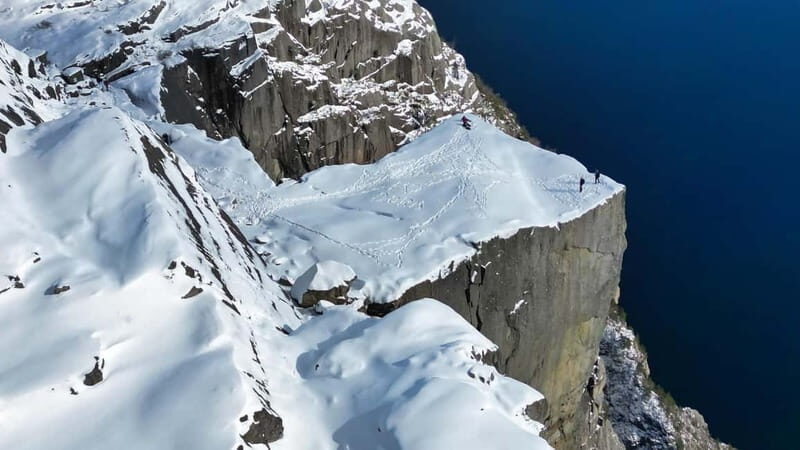
The second climb is less steep than the first, but it still asks for effort. This section is described as more rugged, so your main job becomes foot awareness.
In practice, that means:
- Don’t get distracted by views until you’re sure your footing is steady
- Keep your stride short and controlled
- Be extra careful if conditions feel damp
Here’s where “guided” turns practical. A good guide helps you keep moving safely and keeps the group functioning together—especially when people naturally slow down on uneven ground.
Summit Time at Pulpit Rock: Your View Break (and Photo Reality Check)
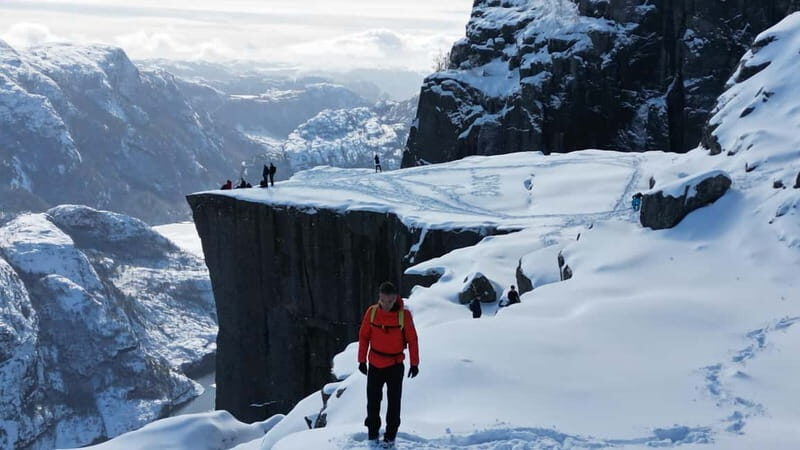
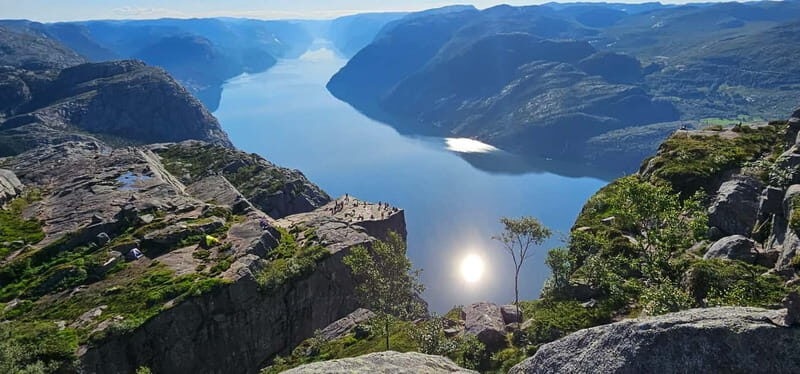
Reaching Pulpit Rock is the payoff moment. The trail opens up to a wide rock plateau that juts outward over the fjord. You’ll want to take time here for two things: rest and photos.
The experience specifically encourages you to:
- Rest and hydrate
- Soak in the scenery
- Capture photos to mark the achievement
A quick reality check: if you try to take every photo like it’s a studio shoot, the view will keep changing and you’ll waste energy. Instead, aim for a few solid shots, enjoy the moment, then come back to breathing and water. Your legs will appreciate it.
Also, summit conditions can change fast. Windproof layers aren’t just for comfort—they help you stay in the right frame of mind for enjoying the stop, not just enduring it.
The Return Down: Faster Legs, Slipperier Decisions
The downhill return is listed as 4.2 km downhill back to Base Camp Preikestolen. Downhill feels easier at first—until you remember that gravity makes mistakes travel faster.
So keep it controlled:
- Stay aware of other hikers
- Watch steeper sections carefully
- Keep a steady pace that matches your footing
This is another spot where “local first-responder” energy and strong guiding can help. Even if you’re experienced, the trail asks for constant micro-decisions. The guide’s role is to keep you moving safely while the group finishes the loop.
And since the return lands you back at Preikestolen Base Camp, you don’t have to worry about complicated end-of-day navigation.
Value and Price: Is $156 Worth It?
The price is listed as $156 per person for a roughly 5-hour day. That might sound high if you’re thinking only about a viewpoint ticket. But the cost makes more sense when you look at what you’re buying:
- Transport from Stavanger to the trail start
- An English live guide for the hiking portion
- Light snacks and water included
- A plan designed to help you experience a famous spot with a less-crowded trail feel
- Extra support when conditions shift (like rain timing adjustments)
On a hike-run day, the “soft” value—guidance, timing, pacing, safety—can be the difference between a fun outing and a stressful one. If you want a smooth experience with less guesswork, this package price is easier to justify.
If you’re comfortable hiking on your own and don’t care about pacing or weather management, you might question whether the guide is necessary. But if you want the experience shaped so you can enjoy the hike instead of managing details, this feels like a fair trade.
The Kind of Group Experience You’ll Get
This activity is guided in English, and the vibe (from real guide behavior) is patient and supportive. John, for example, is described as knowledgeable, funny, and patient, and he waited for slower hikers up the many stairs. Tore is also mentioned as excellent company and very informed about the area.
I’d read that as a sign that the guiding style works for mixed fitness levels. You don’t need to be a fast runner to enjoy this. What you do need is the willingness to take the trail seriously: wear the shoes, pace yourself, and accept that the start is steep.
Also, the experience highlights a local first-responder connection. Even without extra details, that usually points to a practical, safety-minded approach—exactly what you want on rocky ground with changing mountain weather.
Who Should Book This Pulpit Rock Hike-Run (and Who Might Skip)
This fits you well if:
- You want a guided experience at a world-famous viewpoint
- You’d rather run/walk with structure than navigate on your own
- You like active travel days where the effort leads directly to a view
- You want included basics like snacks and water
You might skip it if:
- You’re looking for a fully relaxed, low-effort sightseeing stop (this has steep climbing and stairs)
- You have limited ability on rocky, uneven trails
- You’re uncomfortable with the possibility of rain and want zero weather variability (the guide may adjust timing, but weather can still happen)
Should You Book the Stavanger to Pulpit Rock Experience?
If your top priority is reaching Preikestolen with a plan that helps you enjoy the trail—not just “get there”—I’d book it. The guide-led pacing, included water and snacks, and the promise of a less-crowded feel add up fast when you’re spending hours on a demanding route.
The key decision is your comfort level with steep, rocky terrain and lots of stair climbing. If you have good trail shoes, pack dry clothes, and you’re okay slowing down to enjoy the climb, this is the kind of Norway day you’ll talk about long after you’re back in Stavanger.
FAQ
FAQ
How long is the hike-run to Pulpit Rock?
The total experience duration is listed as 5 hours, with 4 hours guided for the hike portion.
Where does the tour start?
The hiking start is at Preikestolen Base Camp, where you’ll get a welcome map and can access the Hiking cafe.
Is the tour guided in English?
Yes. The live tour guide speaks English.
What is included in the price?
Included items are light snacks and water, a guided hike/tour to Preikestolen, and the benefit of a less crowded trail experience.
Is dinner included?
No, dinner is not included.
What should I wear and bring?
Bring trail shoes with good grip, dry clothes for after, a lightweight backpack with water and snacks, and a windproof jacket.
Will I get time at the summit?
Yes. The experience includes guided time reaching Pulpit Rock, plus time to rest, hydrate, and take photos.
How long is the descent back to Base Camp?
The return is described as a 4.2 km downhill back to Preikestolen Base Camp.
Can I cancel if my plans change?
Free cancellation is offered up to 24 hours in advance for a full refund.
Is it possible to reserve first and pay later?
Yes, reserve now and pay later is offered so you can keep your plans flexible.