REVIEW · KRISTIANSAND
Kristiansand: Guided Cultural Walking Tour
Book on GetYourGuide →Operated by Kristiansand Tours & Experiences · Bookable on GetYourGuide
Kristiansand has a lot packed into two hours. This guided walking tour is a smart way to see the city center in one go, with coastal views and fort history stitched together as you walk. I especially liked how the Posebyen neighborhood instantly changes the feel of the streets—small, cozy, and very Old Norway.
I also enjoyed the route’s rhythm: out toward the water, then back inland through older streets to the City Square and the Cathedral. You’ll get the kind of orientation that makes it easier to wander on your own afterward, instead of just checking off landmarks. One thing to consider: it runs rain or shine, and it is not suitable for people with mobility impairments.
In This Review
- Key highlights you’ll feel right away
- Kristiansand’s grid plan makes walking feel effortless
- Starting outside the cruise terminal near the souvenir store
- Fiskebrygga to the waterfront: fish market energy before sea views
- What I’d watch for on this stretch
- Christiansholm Fortress: fortifications that still shape the scenery
- A quick reality check
- Posebyen wooden houses: what the neighborhood name tells you
- Why this stop is worth your attention
- City Square and the Cathedral: the orientation anchor
- A practical tip
- Pace, group size, and how you’ll feel when the 2 hours end
- Price and value: is $125 worth a 2-hour guided walk?
- Who this tour suits best (and who might prefer something else)
- Tips to enjoy it comfortably in Norway weather
- Should you book this Kristiansand guided cultural walking tour?
- FAQ
- How long is the Kristiansand guided cultural walking tour?
- What does the tour cost?
- Where do I meet the guide?
- Is the tour offered in English?
- Do I need to bring anything?
- Does the tour run in rain?
- What time does the tour start?
- Is the tour suitable for people with mobility impairments?
Key highlights you’ll feel right away
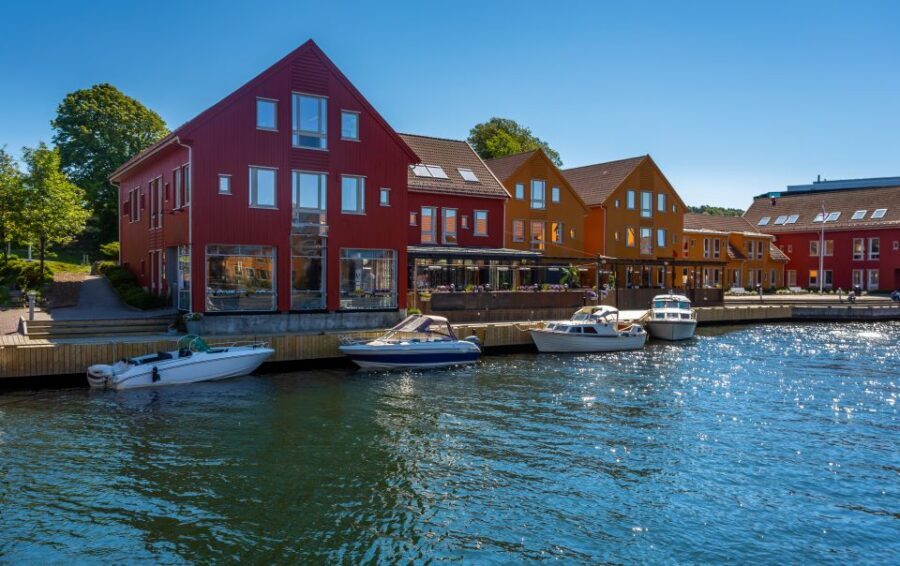
- Posebyen’s traditional wooden houses in a protected neighborhood
- Christiansholm Fortress with a strong sense of why this city was built to defend itself
- Water views along the oceanfront promenade and the river Otra
- City Square + Cathedral for an architectural stop that also helps you map the center
- Fiskebrygga start at the fish market area before you head out to the coastline
Kristiansand’s grid plan makes walking feel effortless
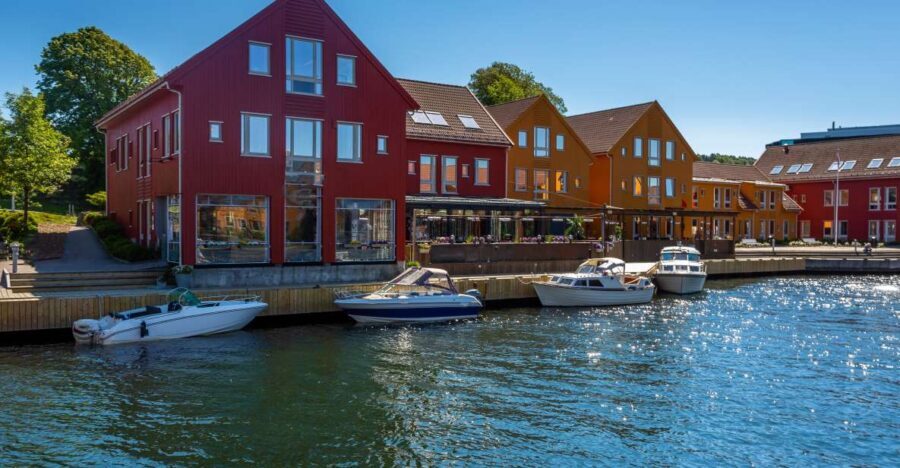
Kristiansand was founded in 1641 by Danish King Christian IV, and from the beginning it was designed as a trading and fortification point in the region. Even as the city grew and changed, the grid layout stayed at its core.
That matters for you as a visitor. In practice, it means you can find your bearings without constantly backtracking, and the walking tour can cover a lot of the center without feeling like a maze. It also helps after the tour ends, because you’re not starting from zero.
You can also read our reviews of more walking tours in Kristiansand

Starting outside the cruise terminal near the souvenir store

The tour meets outside the cruise terminal, by the souvenir store, where a Kristiansand Tours representative holds a sign. If you’re arriving by ship, you’ll find this setup pretty convenient because the start point is right where most people already are.
Plan to arrive a few minutes early. The tour begins on time, and with a walking route, that timing is what keeps the whole pace smooth for everyone. The good news is that the area is easy to navigate—this is a city-center walk, not a long transfer to a distant neighborhood.
Fiskebrygga to the waterfront: fish market energy before sea views

Right after meeting, you head toward Fiskebrygga, the local fish market area. Even if you don’t plan to buy anything, this is a great “real Kristiansand” entry point because it puts you near the working side of the harbor. It’s also a natural place for a guide to set context—trade, commerce, and the city’s relationship with the sea.
From there, you walk along the coastline toward Christiansholm Fortress. The route follows promenade paths that track the oceanfront and the marina, then swings you past the city beach and up alongside the river Otra. This is the tour’s visual payoff: you keep switching between open water views and the energy of the harbor edges, which makes the walking feel varied rather than repetitive.
What I’d watch for on this stretch
When you’re along the water, it’s worth slowing down for a few seconds at a time. You’ll want to catch how the oceanfront gives way to the river corridor, because that contrast helps the city story click: maritime trade and defense were never separate from daily movement inland.
Also, bring comfortable shoes. The tour is about walking city paths, and the included walking time is the whole point.
Christiansholm Fortress: fortifications that still shape the scenery
As you approach Christiansholm Fortress, you’re walking into the part of Kristiansand that feels built to withstand pressure—literally. The city began as an important fortification point, so seeing the fortress location on foot helps you understand the logic of where defenses would sit.
The best part here isn’t just the structure itself (you’ll be able to see it as you walk), it’s the way the views support the setting. You’re not imagining the geography—you can actually stand and look along the waterfront approaches. That turns history into something practical.
You can also read our reviews of more guided tours in Kristiansand

A quick reality check
If you’re expecting a museum-style, inside-the-walls experience, this tour is framed as a guided walk. You’ll get views, context, and orientation around the fortress area, but the main value is how the guide connects the fortification story to where you’re standing.
Posebyen wooden houses: what the neighborhood name tells you
Then comes the emotional shift: you leave the waterfront and head toward the older part of town where building styles and materials start to look different. This area is known as Posebyen, which is also referred to as Bagtown.
Posebyen is one of Northern Europe’s largest collections of traditional low-built wooden houses. That’s a mouthful, but it’s simple to experience. The streets feel more human-scaled, and the buildings create a “close-up” atmosphere compared to the open harbor views. Your guide will explain the theories behind the name, which is one of those details that makes a protected neighborhood more than just a pretty stroll.
Why this stop is worth your attention
This is the part where you stop thinking of Kristiansand as a port city and start thinking of it as a place people lived in for generations. The tour description also points out that small boutiques and cafés have brought new life into old buildings. That mix is what makes Posebyen work as a visitor zone: it’s not frozen in time, and it doesn’t feel like a staged postcard either.
If you like streetscapes, wood architecture, and neighborhood texture, Posebyen is the heart of the tour.
City Square and the Cathedral: the orientation anchor
After the older neighborhood walk, you end up in the City Square, where the Cathedral is located. This is a helpful finishing point because a big landmark like the Cathedral gives you a central reference point for the rest of your day.
Even if you only spend a short time here, it’s a satisfying “reset.” The tour has moved you from market area to coast, from fortress views to wooden-house streets. Ending in the square gives you a place where the city feels organized again—like a hub.
A practical tip
Use this moment to plan your next steps. After the tour ends, you can either return with your guide to the starting point or continue exploring on your own. Ask your guide for recommendations while you still have their local context fresh.
Pace, group size, and how you’ll feel when the 2 hours end
The scheduled duration is 2 hours, and the walking is continuous enough that you’ll see most of the city center highlights included in the route. One useful thing to know is that small groups can change the feel of the tour. If you’re one of just a few people, you may cover things a bit faster and have more chance for direct questions. If the group is larger, the pacing can feel more structured and you may spend a bit less time lingering at individual viewpoints.
Either way, the tour is short enough that you’re not stuck for half your day. You’ll likely finish with enough energy to keep wandering nearby areas on your own.
Price and value: is $125 worth a 2-hour guided walk?
At $125 per person for a 2-hour experience, this isn’t a “budget walk,” so I’d judge it on what you get: a live English guide plus a route that connects multiple types of highlights—market area, waterfront promenades, a fortress setting, a protected wooden-house neighborhood, and the City Square.
Here’s where the value comes from. A good walking guide does more than point. They help you understand why those stops exist together—how Kristiansand’s trade roots and fortification past still show up in the places you’re standing. You’re paying for that context and the smooth route design, not for admissions to buildings you might visit on your own.
Also, because it’s a guided walk with a fixed duration, you don’t spend time figuring things out. You can spend that energy enjoying views and streets instead.
If you like independence, the tour ends with an option to continue on your own. That can make the value better than a tour where you feel chained to the schedule afterward.
Who this tour suits best (and who might prefer something else)
This is a great fit if you want an efficient “see the city center properly” experience—especially if you’re short on time or you’re arriving with limited daylight. It’s also a strong choice if you like a mix of maritime scenery and architecture rather than pure museum sightseeing.
You should skip it if you have mobility impairments, since it’s not suitable for that. And if you hate walking in wet weather, note that the tour runs rain or shine. The good part is that a walking tour that keeps going in bad weather means you won’t lose your day to a cancellation vibe—just come prepared.
Tips to enjoy it comfortably in Norway weather
Because it happens rain or shine, your main prep is practical. Wear comfortable shoes you trust on outdoor paths and sidewalks. If the weather is typical coastal Norwegian in your season, bring a layer you can adjust when you move from windier waterfront stretches to more sheltered streets.
Also, arrive early enough to start calmly. Since the guide starts on time, you don’t want to be rushing at the meeting point.
Finally, keep your expectations aligned with the format. This is a walking tour that uses Kristiansand’s layout as the canvas. You’ll get plenty of orientation, but it’s not positioned as a long, sit-down deep museum day.
Should you book this Kristiansand guided cultural walking tour?
I’d book it if you want a clean, guided route through Kristiansand’s most meaningful visual zones: fish market area, oceanfront and river Otra views, Christiansholm Fortress context, Posebyen wooden-house charm, and a finish at the City Square and Cathedral. It’s also a smart pick for first-timers because the grid layout and the ending location make it easier to keep exploring after.
I wouldn’t book it if you’re looking for an all-day experience with lots of indoor stops, or if walking in rain and being on your feet for two hours is a problem for you.
If you want a day in Kristiansand that feels guided, practical, and worth your time, this one does the job.
FAQ
How long is the Kristiansand guided cultural walking tour?
The tour duration is 2 hours.
What does the tour cost?
It costs $125 per person.
Where do I meet the guide?
You meet outside the cruise terminal, near the souvenir store. The representative will hold a sign with Kristiansand Tours.
Is the tour offered in English?
Yes. The live tour guide speaks English.
Do I need to bring anything?
You should bring comfortable shoes.
Does the tour run in rain?
Yes. The tour takes place rain or shine.
What time does the tour start?
The tour begins on time. It’s recommended that you arrive a few minutes beforehand.
Is the tour suitable for people with mobility impairments?
No. It is not suitable for people with mobility impairments.